The Landing Week: Seven Days to Reset Your Body, Your Kit and Your Next Alpine Booking
Every UK rider knows the drill on the way out: boot bag labelled, thermals rolled, chain checklist done, snacks bought at the services. Then you come home. The board bag lands in the hall, the boots stay damp in the back of the car, and three weeks later you find a sandwich in your salopettes. The trip ends, but the admin doesn't. And nobody plans for it.
So here's a landing week — seven days, low effort, no heroics. It covers the body, the kit and the paperwork side of the trip while the details are still fresh enough to be useful. Do it now and next season's departure is noticeably less of a scramble.
Days One and Two: Do Deliberately Very Little
The temptation is to come home and immediately prove you're fine by going for a run or doing a tip run. Don't. Two long travel days, a temperature swing of 15 degrees and a cabin full of recycled air will flatten you more than the skiing did.
Priorities for the first 48 hours: water, proper food, sleep. Not a detox, not a 5am gym session — just rehydration and a normal night in your own bed. If you flew home late, treat the following day as a write-off and plan it that way. Book it off work if you can. The riders who feel grim for a fortnight are usually the ones who landed at 11pm and were at a desk by nine.
One useful thing you can do on day one, before the bag becomes furniture: open it. Empty it. Hang anything wet on a rail and leave the rest in a pile you'll deal with on day three. That's it.
Day Three: Kit Triage Before the Mould Sets In
This is the day the Alpine smell starts developing. Alpine damp is different to British damp — it's colder, it's got sweat in it, and it really likes boot liners.
- Pull the liners out. Both of them. Out of the shells, out of the bag, somewhere with airflow. A boot that sat in a car boot for a week will smell like a school gym by December.
- Separate wet from dry. Anything that touched snow goes in one pile; everything else goes back in the wardrobe.
- Wash base layers and midlayers at 30 degrees, no fabric conditioner (it kills wicking). Hang them. Don't tumble dry merino unless you enjoy buying merino.
- Check your edges. A week in a damp bag is enough for surface rust on a ski or board edge. A green scouring pad and a light rub sorts it; leave it and it becomes a tune.
- Wipe the shells. Nikwax or a similar tech wash for waterproofs, then a low tumble to reactivate the DWR. Check the hood and cuffs — that's where the wear shows.
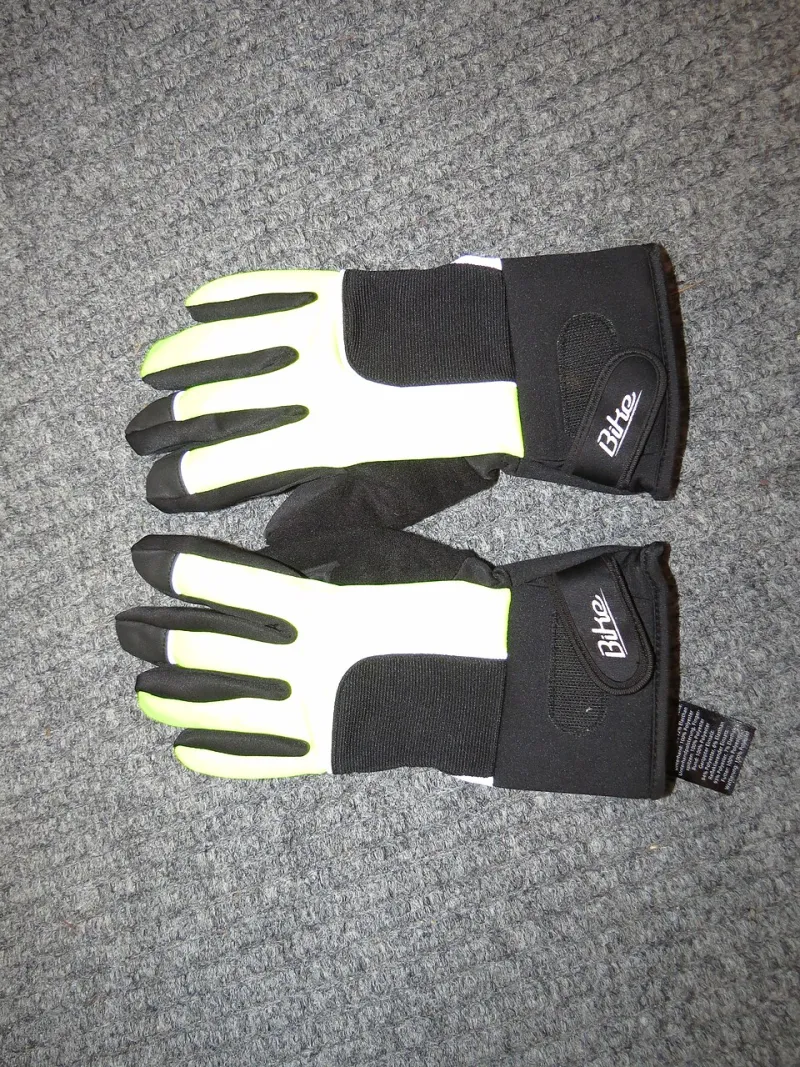
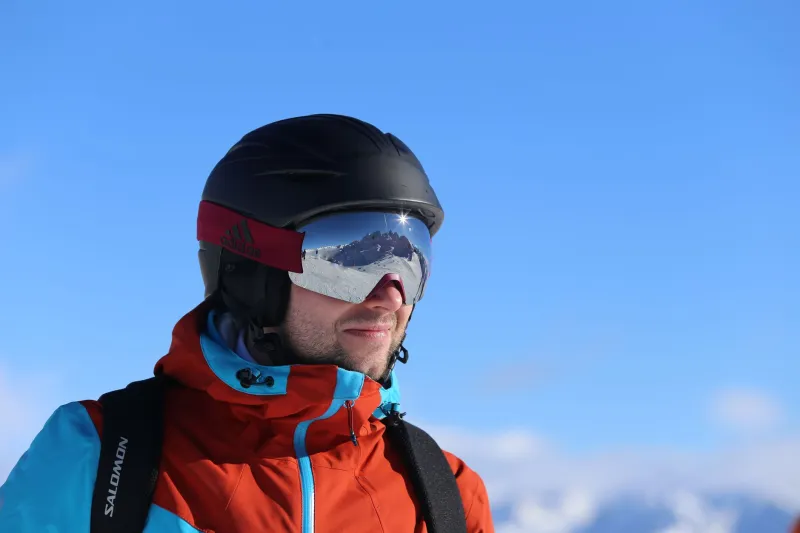
Helmet, goggles and gloves get the sniff test. Goggles: rinse the strap, leave the lens alone, don't rub the inside. It's a coating, not a smudge.
Day Four: The British Drying Problem
Here's the bit our European friends don't have to think about. You've come back to a country where the humidity is 94% and the heating's just gone on. Nothing air-dries. Everything gets that faintly musty edge instead.
Practical fixes that actually work in a UK flat or terrace:
- A cheap dehumidifier in a small room with the door shut will dry a full set of kit overnight. Borrow one, or buy one for less than a lift pass.
- The airing cupboard is your friend for liners and gloves, not for shells — too hot, and you'll cook the glue on the seams.
- Never park wet boots next to a radiator. The shell warps, the liner shrinks, and the fit you paid good money for in the UK goes out the window.
- If the forecast is grim all week, don't fight it. Pack the dried stuff into a vacuum bag and deal with the rest when the weather breaks.
By day four, your kit should be dry, checked and stored. If it isn't, at least make sure the boots are.
Day Five: Read Your Body Like a Piste Map
Soreness after a ski week is normal. Certain soreness isn't. The line to hold onto: muscle ache that eases as you move is fine; joint pain that sharpens or clicks is not.
Watch for these, and get them looked at rather than "seeing how it goes":
- A knee that swells or feels unstable going down stairs — classic ski knee, worth a physio appointment this week, not in March.
- A thumb that hurts at the base after a fall — the classic skier's thumb, and it's much easier to manage early.
- A shoulder that won't lift above the ear after a snowboard tumble.
- Shin pain that persists after a few days off — often boot-fit related, which is worth knowing before you buy anything else.
Book the physio now while you can still remember exactly what happened and which way you fell. In November the diary's quiet; by January you'll be queuing behind half of Hampshire.
Day Six: Back at the Desk Without the Wince
Returning to a chair is its own shock. Eight hours of sitting after seven days of movement leaves hips and lower backs complaining by Wednesday.
Keep it small and repeatable: stand up every 45 minutes, do ten slow hip hinges, and walk somewhere at lunch that isn't a sandwich shop. A twenty-minute walk in daylight does more for post-trip flatness than an ambitious gym plan you'll abandon by Friday.
Also: unpack the boot bag out of the car. Really. It's been a week.
Day Seven: The Post-Mortem That Pays for Itself
Before the trip becomes a vague warm memory, spend twenty minutes writing down what you'd change. Not a diary — a list.
- Did the transfer actually work, or did you lose a morning?
- Was the accommodation genuinely ski-in, or 'ski-in' via a road and a bus?
- What did you cart out there and never use?
- What did you buy at resort prices that you could have sorted in the UK?
- How did the snow hold up compared with what the resort's own marketing promised?
Five honest bullets now will shape the next booking far better than a glossy brochure. If you're already eyeing a 2027/28 deposit, that list is your filter — and if a resort's snow record doesn't survive your notes, you've just saved yourself a week.
Then zip the bag, put it somewhere you'll find it, and get on with winter. There's a whole season of dry slope and indoor sessions between now and the next flight, and your kit is already clean.