Radiator Roulette: Drying Soaked Snow Kit Overnight Without Wrecking It
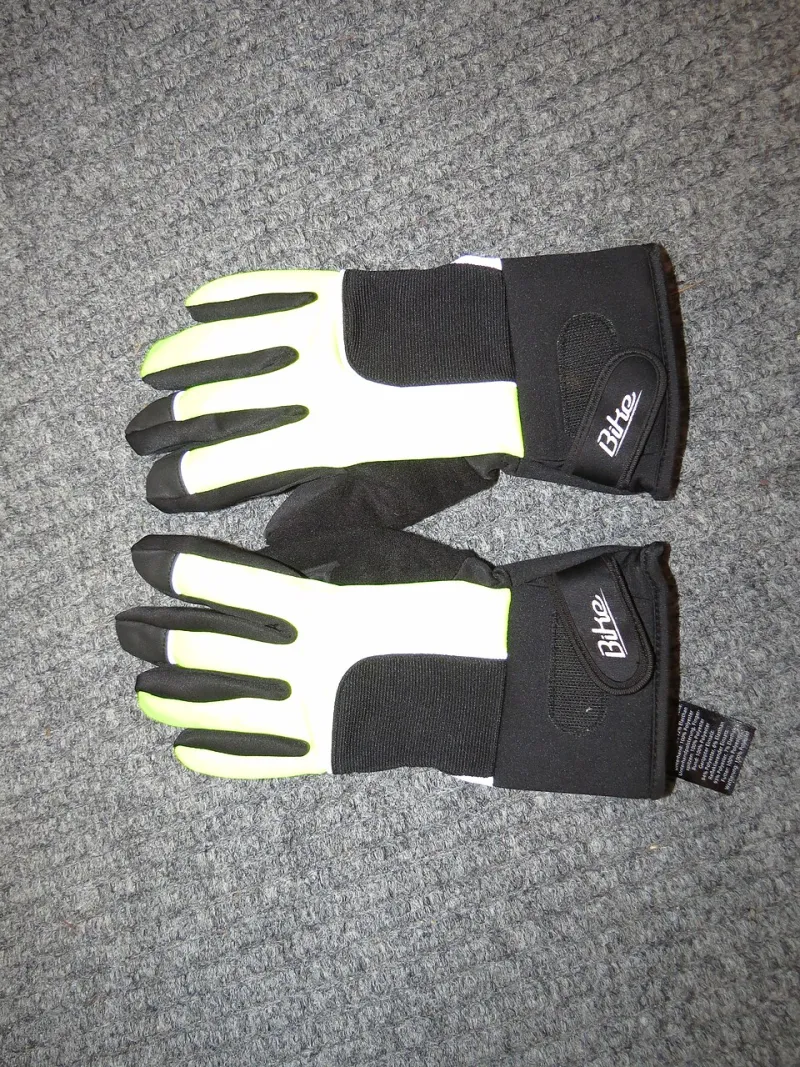
Photo: GT1976, CC BY-SA 4.0, via Wikimedia Commons
You limp into the chalet at half four, kit dripping onto the boot-room floor, and clock the drying room: a humid little cupboard with one radiator doing its best. Tomorrow is forecast bluebird. Tonight your gloves are saturated, your liners feel like wet sponges and your baselayers have gone cold and clammy. The difference between a grim first lift and a good one is not luck. It is a plan.
The chalet drying-room reality check
Most alpine accommodation marketed as having a drying room means a small tiled space with a radiator, a few hooks and no airflow. Shared chalets are worse: ten riders, one radiator, everyone’s wet kit pressed together like a damp sandwich. Budget hotels often have bathrooms with no extractor fan. Self-catering flats give you a heated towel rail that could strip paint.
The kit does not need to be cooked. It needs moving air and gentle warmth. Once you understand that, the whole job gets simpler — and cheaper.
Ranked: the overnight drying methods that actually work
1. Forced-air boot dryer plus a hanging line — fastest and safest
If you buy one piece of kit for 2026/27, make it a travel boot dryer. Pull your liners out of the shells, open the boots wide, and let the dryer push room-temperature air through them overnight. Hang gloves and baselayers nearby so the same air movement does double duty. This is the only method I trust to dry a pair of liners from properly wet to genuinely dry in eight hours without changing their shape.
2. Dehumidifier plus a small fan — the chalet hack
Ask the chalet rep if there is a dehumidifier. Many have one locked away for exactly this reason. Put it in the smallest room you can tolerate, hang kit on a line or chair backs, and point a small fan at the wettest items. Moving air beats raw heat every time. If you are in a self-catering flat, a cheap USB fan and a closed bathroom can turn a hopeless room into a passable drying cabinet.
3. Radiator with a spacer and airflow — fine if you pay attention
Radiators are not evil. Direct contact is. Lay a dry towel over the radiator, hang gloves and liners a few inches away using S-hooks or a short bungee line, and keep a window cracked for moisture to escape. Check after an hour. If the item feels hot to the touch, move it back. Warm and dry is the target; hot and baking is how you ruin glue and foam.
4. Hairdryer on cool, from a distance — slow but usable
A hairdryer on the cool setting, held at least 20cm away and kept moving, can rescue gloves or a pair of insoles. It is not an overnight solution for boots. It is a morning emergency tool. Never jam a hairdryer into a boot and leave it running. That is how you warp plastic, cook glue and, in the worst case, start a fire in a room you are not standing in.
5. Towel roll and hang — the free option
Lay baselayers flat on a dry towel, roll the whole thing tight, and stand on it for a minute. Repeat with a second towel if needed. Then hang the layers somewhere with air movement. This removes the bulk of the water before the radiator or drying room has to do any real work. Same trick works for gloves: roll them in a towel, then hang them finger-side down.
6. Desiccant and a dry bag — the emergency backup
Silica sachets or a reusable dehumidifier pack in a dry bag will not dry a soaked jacket, but they will finish off slightly damp gloves overnight. Useful when the drying room has failed and you have an early transfer.
The mistakes that cost you a liner or a glove
The classic error is putting boot liners straight onto a hot radiator. Radiator surfaces can run far hotter than you think, and the foam and glue in a liner are not built for that. The liner might feel dry by morning, but it can come back narrower, stiffer or with a collapsed heel. If your boots stop fitting in the middle of a trip, this is often why.
Gloves on a radiator are just as risky. Leather palms crack, membranes delaminate and the glue that holds palm patches in place softens. Hairdryers used too close do the same job faster, which is not a good thing. Jackets draped directly over a radiator can cook the DWR and bubble the laminate. Baselayers on high heat lose their stretch and keep the smell.
And please do not bundle wet kit into a plastic bag or a boot bag overnight. Twelve hours in a warm room is enough for mildew to start. Hang it, separate it, let it breathe.
A workable overnight routine
When you get in, shake everything out and empty pockets. Pull liners out of boots. Roll baselayers in a towel and stomp on them. Hang shells and trousers on separate hangers with space between them. Put gloves somewhere with airflow, not flat on a radiator.
After dinner, set the boot dryer going and crack a window in the drying room. If you are using a radiator, put the towel barrier down and hang kit a few inches away. Before bed, check the wettest items and move anything that feels too hot. Leave the desiccant bag with your gloves if they are still damp.
The UK packing list for 2026/27
- A travel boot dryer that runs on mains power
- A plug-in timer and a European adapter — check the chalet’s plug situation before you fly
- Two microfibre towels, ideally the thin travel kind
- A few S-hooks and a short bungee line
- One mesh laundry bag for small items
- A 10-litre dry bag for damp kit on transfer days
- Reusable silica or dehumidifier packs
- A small USB fan if you are self-catering
- A short extension lead, but only use it if the chalet is happy with it
The morning-after check
A dry liner springs back and feels neutral. A damp one feels cold, heavy and slightly clammy. If yours is still damp, do not jam it back into the boot and hope. Carry it inside your jacket to the lift, or leave it near a warm car vent on the drive up. Small moves, but they save the first two runs of the day.
Get the drying routine right and the mountain feels easier. Get it wrong and you spend the morning riding in cold, heavy kit, wondering why your feet are miserable. Radiator roulette is a game you can win — just do not let the radiator deal the cards.