Rucksack Rations: The Slope Lunch That Beats Mountain Restaurant Prices
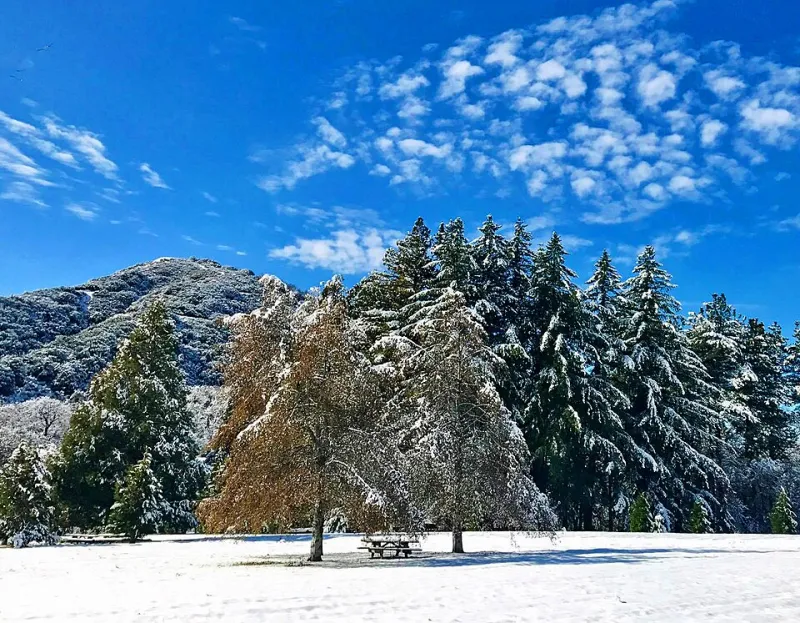
Photo: inkknife_2000 (7.5 million views +), CC BY-SA 2.0, via Wikimedia Commons
Let’s be clear: I’m not anti-mountain-restaurant. A proper sit-down lunch with a view, a bowl of soup and a bit of warmth is one of the great Alpine pleasures. But doing it every day, at resort prices, is how a reasonably priced ski week turns into a financial cautionary tale. The €28 plate of chips and the €9 hot chocolate are not myths. They are what happens when you’re cold, hungry and standing in a queue at 12:30pm with no plan.
The plan is a rucksack lunch. Not a sad, squashed sandwich eaten in a lift queue, but a proper piste picnic that keeps you moving, keeps your euro balance intact and still feels like a treat. This is the UK rider’s guide to eating well on the mountain without surrendering to the till.
The real cost of winging it
If you buy lunch on the slope every day, the numbers add up fast. A main, a drink and a coffee can easily hit €35–€45 in a busy French or Swiss resort. Do that for six days and you’ve spent more than a decent pair of ski gloves. Add a mid-morning hot chocolate and a post-lift beer and the “cheap” self-catering week starts looking less cheap.
The answer isn’t to be miserable. It’s to be deliberate. Pack lunch most days, buy one genuinely good sit-down meal when it earns its place, and spend the saved cash on the things that actually improve your riding: a lesson, a better boot fit, or a second trip.
What to pack from the UK
Think shelf-stable, crush-proof and calorie-dense. You’re not packing a dinner party; you’re packing fuel that can survive a chairlift, a fall and a temperature swing.
Good from-home items include oatcakes, nuts, jerky, cereal bars, flapjacks, dried fruit, tea bags, hot chocolate sachets, stock cubes and a few zip bags. A small collapsible cup, a spork and a beeswax wrap or two weigh almost nothing and make the whole operation less feral. If you’re flying, keep the liquids and gels sensible and remember that security rules still apply to that tiny bottle of hot sauce.
One warning: don’t try to bring a British ham-and-cheese sandwich through customs into the EU. Rules on meat and dairy from outside the bloc are tighter than you might think. Buy the fresh stuff at a local supermarket on arrival. A decent baguette, a wedge of local cheese and a couple of tomatoes will cost less than one mountain-restaurant starter and taste better in the open air.
Build a picnic that survives the piste
The classic mistake is packing food that turns into a paste by 11am. Soft fruit, clingy sandwiches and anything with a runny sauce are a bad idea in a rucksack that’s also carrying gloves, goggles and a spare layer.
Go for structure. A baguette or wrap is fine if you keep it in a rigid box. Hard cheese, salami, boiled eggs, nuts, oatcakes and chocolate all travel well. A flask of soup is a brilliant cold-day move: hot, salty and far more satisfying than another muesli bar. If you’re a tea person, a small flask of hot water plus tea bags beats paying €4 for a lukewarm brew.
Pack in layers. Put the heavy, squashable items at the bottom and the things you’ll actually want at the top. A separate small pouch for lunch stops you digging through your whole bag while perched on a snowy bench. And label anything that might leak; a burst tube of mayo is a special kind of holiday souvenir.
Refill and shelter tactics
Water is where resorts quietly make their money. Buy a large bottle at the supermarket and refill it whenever you can. Many Alpine resorts have drinking fountains, and tap water in mountain restaurants is generally fine if you ask politely. A reusable bottle with a wide neck is easier to fill and less likely to freeze shut.
Shelter matters as much as food. Eating on the piste is not the vibe: you’re in the way, you’re exposed and your lunch gets cold fast. Look for lift-station windbreaks, south-facing benches, picnic tables at the top of a gondola or a sunny wall beside a mountain hut. Carry a small foam mat or sit on your rucksack if the bench is snow-covered. If the weather turns, eat inside a lift station or a hut that allows it, and buy a drink to say thanks.
Avoid eating in avalanche-prone areas or anywhere the piste map marks as exposed. A picnic is not worth a rescue. And if you’re with kids, choose a spot near a toilet block and a warm indoor space; the €6 hot chocolate is sometimes the cheapest part of a meltdown prevention strategy.
When to pay for the sit-down lunch
Some days, the restaurant is the right call. Bad weather, a freezing wind, a group with small children, or a genuine local speciality are all good reasons to sit down and order properly. A long lunch can also be the point of a holiday; not every day needs to be optimised.
When you do pay, skip the chips and go for the plat du jour, soup or a simple pasta. It’s often better value and better food. Order tap water if it’s available, or share a pudding. And if you’re using the restaurant as a warm-up stop, buy something even if you’re eating your own lunch; it keeps the goodwill flowing.
The sweet spot is a hybrid: picnic most days, one big mountain lunch, and a supermarket raid for dinner. That’s how you eat well on the mountain without letting the mountain eat your budget.
The verdict
A rucksack lunch is not about deprivation. It’s about control. You choose when you eat, where you sit and how much you spend. You get to stop at the viewpoint instead of the queue, and you get to save your euros for the things that make the trip memorable. Pack sensibly, refill often, and keep one sit-down lunch in the plan. The chips can wait.