Berth Pangs: The Alpine Night Trains Worth Swapping for a 4am Airport Coach
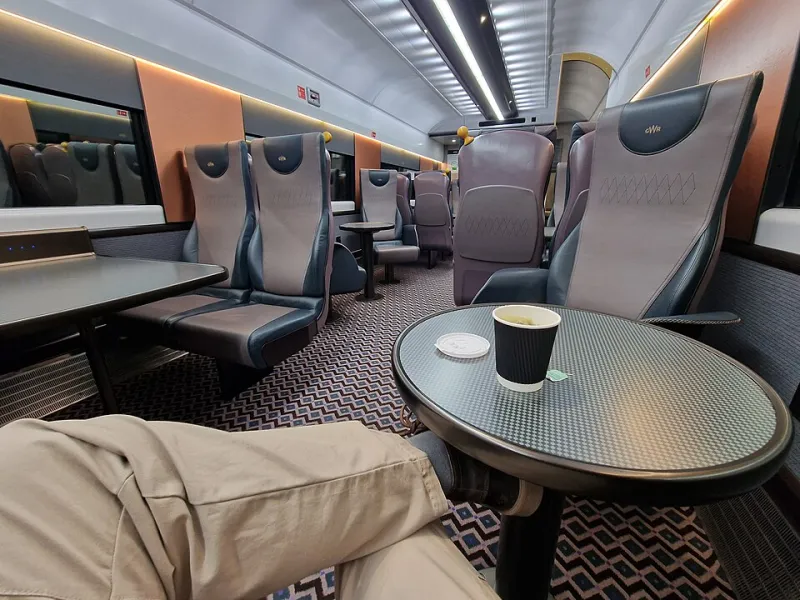
Photo: Tom Corser, CC BY-SA 3.0, via Wikimedia Commons
The pitch is seductive: finish work on Friday, roll into London with your board bag, sleep through the boring bit, and wake up within sniffing distance of the Alps. No 3am alarm. No £90 ski-bag fee. No airport pasty at £9.50. But night trains are not a magic carpet. They are a timetable puzzle with bunk beds, and the difference between a brilliant routing and a miserable one usually comes down to two things: how tight the connection is and how much you actually value sleep.
This is the practical 2026/27 version for UK riders. Not the romantic version. The one where you work out whether a berth genuinely beats a budget flight from Gatwick, Stansted or Manchester.
The routings that actually make sense for a UK rider
There are three realistic patterns worth considering. Everything else tends to be a hobby railway rather than a ski transfer.
London to Paris, then the Paris to Vienna Nightjet
This is the classic. Eurostar gets you into Paris Gare du Nord, and the Nightjet to Vienna leaves from Gare de l’Est, which is a short walk away rather than a cross-Paris panic. That connection is one of the reasons this route works: you are not dragging a ski bag across half the city with 35 minutes to spare.
The catch is what happens at the other end. Vienna is a great city, but it is not a ski resort. From Vienna you are looking at a day train to Salzburg, Linz or Innsbruck, then a local transfer. That is fine if you are heading to the Austrian Alps and you have built the day into your plan. It is not fine if you thought you would be clipping in by 10am.
London to Brussels, then the Brussels to Vienna Nightjet
Brussels is the calmer connection. Eurostar arrives at Brussels Midi, and the Nightjet departs from the same station, which removes a whole layer of urban logistics. For a UK rider with a ski bag, a board bag and a rucksack, that matters. You are not negotiating the metro; you are walking from one platform to another with time to buy water and regret your luggage choices.
The trade-off is a longer ride. You are trading a later arrival and more time on the train for a lower-stress change. If you are going to Austria and you can get a sensible onward connection from Vienna, this is often the more grown-up option.
Paris to Briançon on the overnight Intercités de Nuit
For the French Alps, the Paris to Briançon sleeper is the one that makes UK riders sit up. It is not a Nightjet, and it is not luxurious. It is a proper overnight train with reclining seats and couchettes, and it puts you in the southern French Alps without a dawn flight. From Briançon you can reach Serre Chevalier and the surrounding valleys.
The rub is the Paris connection. Eurostar arrives at Gare du Nord; the overnight train leaves from Paris Austerlitz. That is a taxi or metro hop, not a five-minute walk. You need a proper buffer, especially in winter. If the Eurostar is late, the sleeper will not wait for you. Book with that risk in mind, not with the optimism of someone who once made a 12-minute connection at Clapham Junction.
The cost maths: berth versus bargain flight
A budget flight can look absurdly cheap. It rarely is once the ski bag is added. A £70 seat can become £150 before you have paid for the airport coach, the extra cabin bag and the transfer at the other end. If you are travelling with your own boots and a board or skis, the extras add up quickly.
A sleeper is not cheap either. Expect a Eurostar fare, then a berth supplement. A couchette is the value option; a private sleeper cabin is the comfort option and costs accordingly. For a one-way trip, many UK riders will find the total lands somewhere between a reasonably priced flight with baggage and a not-especially-cheap flight with baggage. The sleeper wins when you would otherwise be paying for a pre-flight hotel, an airport taxi at 4am, or an extra night in resort because your flight arrives too late to do anything useful.
The honest rule: do not book a sleeper because you think it will save you £40. Book it because it changes the shape of the trip. You leave after work, you arrive in the morning, and you do not lose a day to airports.
Luggage: where sleepers win and where they bite
Eurostar is generally reasonable about luggage, but ski and snowboard bags still need checking against the rules for your specific ticket. Do not assume. The sleeper is where luggage gets real. A couchette has limited space, and a 180cm ski bag is not a small object. You may be sharing with strangers who also have opinions about where their boots should live.
If you are travelling with bulky snow gear, book the cabin type that actually fits your kit. A private sleeper is not just about privacy; it is about not playing luggage Tetris at 11pm. Check the operator’s policy for ski bags and excess luggage before you pay, and reserve anything that needs reserving. The romance of the night train evaporates when your board bag is blocking the corridor and someone in a dressing gown is trying to get to the washbasin.
Arrival-day freshness: the real test
This is where the sleeper can genuinely win. A dawn flight from the UK often means a 3am alarm, a coach or taxi to the airport, a bag drop queue, a flight, a transfer and an arrival in resort in the afternoon. By the time you have collected keys and found a supermarket, the day has gone. You ski tomorrow.
A sleeper arriving in the Alps in the morning gives you a shot at a half-day. Not a guaranteed heroic first day, but a real one. Drop bags at the hotel or hire shop, get boots on, and take a gentle afternoon. That is a much better use of a day than sitting in a transfer minibus listening to someone else’s playlist.
The caveat is sleep quality. If you cannot sleep on trains, a couchette will not fix that. You will arrive tired, grumpy and convinced the whole thing was a mistake. If you are that person, price the private cabin or stick to the flight. A berth is only worth it if you actually use the night.
Where the connections get tight
Paris is the main pressure point. Gare du Nord to Gare de l’Est is easy; Gare du Nord to Austerlitz is not. Leave more time than you think you need. Winter delays happen, and a late Eurostar does not automatically mean a held connection.
Brussels is friendlier because the change is within the same station, but that does not make it risk-free. If you are booking separate tickets, you are taking on the risk. Build in a buffer, especially if you are travelling on a Friday or during school holidays. Vienna to the Alps is another connection to plan properly. Do not book a tight onward train just because it looks neat on a spreadsheet. You are on holiday, not doing a rail-themed escape room.
When a dawn flight is still the smarter call
Short trips. If you are going for three days, two nights on a train eats the trip. A Friday flight and a Sunday return may be grim, but it gives you more time on snow. The sleeper makes most sense for a week or more, or for a trip where the journey is part of the point.
Also consider the resort. If you are heading somewhere with no sensible rail link, the sleeper just moves the faff further down the line. And if you are travelling in a group with lots of bags and no patience for compartment politics, a flight plus a pre-booked transfer may still be the lower-stress option.
Booking tactics for 2026/27
Book early. Berths are limited, and the good ones go first. Check the seasonal operation dates, not just the timetable you found in a fit of enthusiasm. Reserve ski bags where required. Use a rail planner and a reputable UK rail resource to sanity-check connections, then book through the operator where possible. And read the luggage rules twice. They are less glamorous than the Alpine views, but they are the difference between a smooth arrival and a platform argument.
The verdict
For a week in the Austrian Alps, the Brussels to Vienna Nightjet is the one I would look at first. It has the cleanest UK connection and a proper morning arrival in a country that knows how to move skiers onward. For the French Alps, the Paris to Briançon sleeper is worth the extra Paris care if it lands you in the southern Alps without a 4am coach. For a short break, take the flight and save the sleeper for a trip where the night actually buys you something.
A berth is not automatically better than a dawn flight. But when the routing works, it is a genuinely different way to start a snow trip: calmer, roomier for gear, and with a morning arrival that lets you ski on day one. That is worth more than a £9.50 airport pasty.